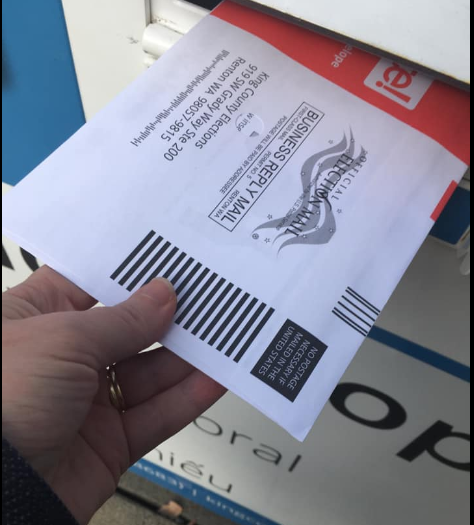
The Associated Press called Florida Amendment 3 approved. Unofficial Florida Election Watch returns checked at 1:01 p.m. EST Nov. 4 showed 4,917,482 yes votes statewide, or 61.99%, above the 60% passage threshold. Duval County's local governments, including Atlantic Beach and Neptune Beach, face projected revenue reductions as the larger homestead exemption takes effect.
Amendment 3 passed with 62% support statewide and 57% in Duval County, the Jax Daily Record reported. The Associated Press called the result at 9:46 p.m. with 99% of ballots counted. The measure passed in every Florida county.
The amendment raises the homestead exemption from $50,000 to $150,000 in fiscal year 2028 and to $250,000 in FY2029. It also cuts the cap on annual assessed-value increases for nonhomestead properties from 10% to 5% and directs state lawmakers to eventually eliminate homestead property taxes altogether.
What it costs Duval County
The Florida Association of Counties estimated the amendment will reduce nonschool property tax revenue in Duval County by $303.04 million by FY2029, according to the Jax Daily Record. Statewide, state economists projected local governments will lose $5 billion next year and nearly $12 billion by 2031.
Jacksonville City Council auditors had estimated at least $300 million in revenue losses for the city within two years, according to a separate Jax Daily Record analysis published Oct. 28.
Beaches cities already bracing
Atlantic Beach and Neptune Beach had already started preparing for this outcome.
Atlantic Beach Mayor Curtis Ford pushed the City Commission in September to cut recurring general fund expenses before the vote. In coverage published Sept. 18 by the Beach Gazette, Ford said, "What I wanted to see in preparation for the possible and likely passage of Amendment 3, I wanted to see a reduction in the recurring expenses in the general fund."
Ford warned that holding the millage rate steady while facing the amendment would do "nothing to reduce the size of government," projecting next year's tax revenue would drop by $1,050,000, according to the Beach Gazette. The commission voted 4-1 to approve a tentative operating budget of $56,212,957, contingent on City Manager Kevin Hogencamp trimming an additional $500,000 from the general fund.
The commission also voted 4-1 in September to freeze hiring through Nov. 15.
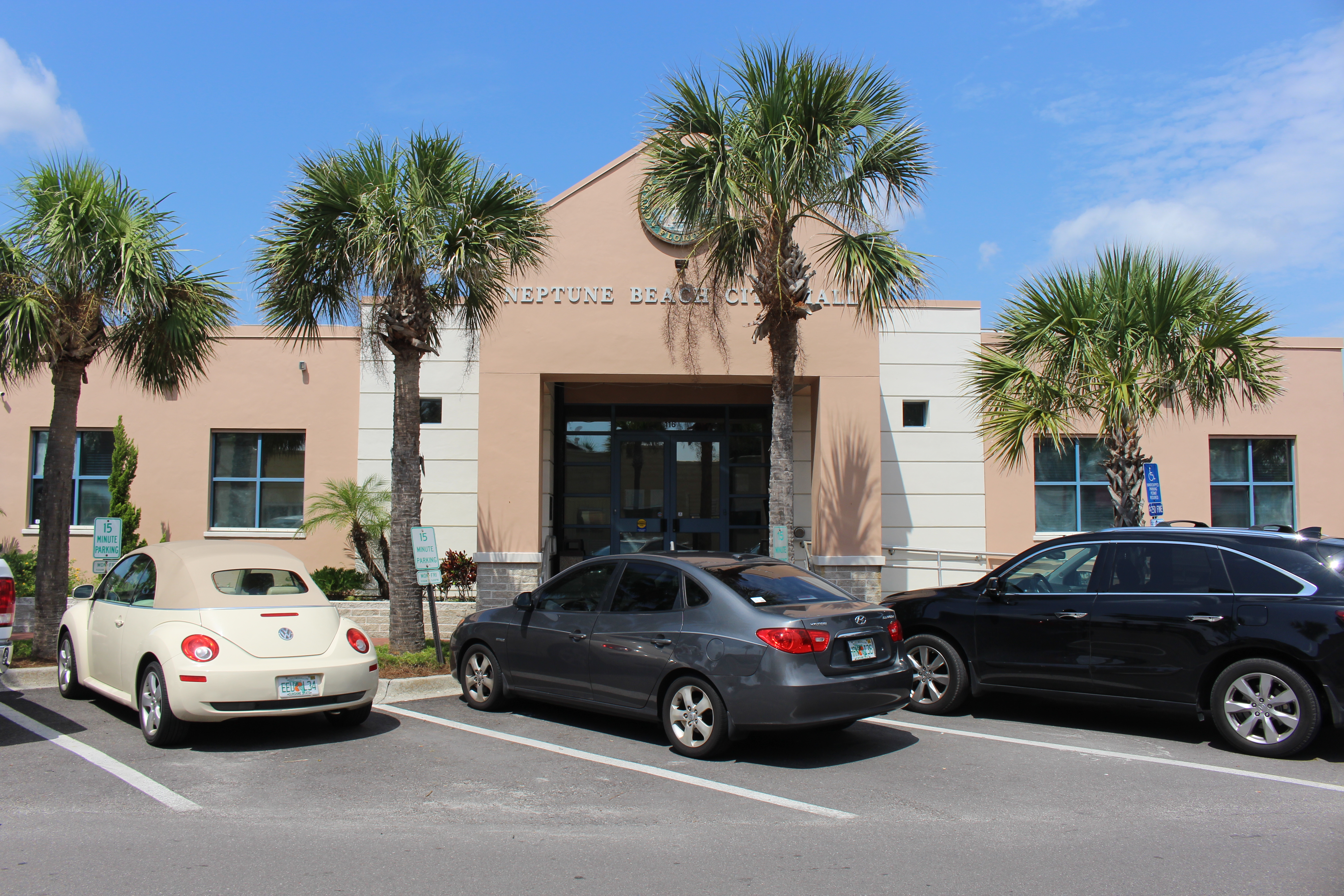
Neptune Beach relies heavily on residential property taxes. In 2026, the city collected $2.5 million in homestead property taxes and about $2.2 million from nonhomestead properties, accounting for 41.3% of the city's general fund revenue, according to the Beach Gazette.
Neptune Beach Mayor Cori Bylund said in coverage published Aug. 6 by the Beach Gazette that the city would need to find $2.5 million to $2.6 million in budget reductions. "I don't think it is a situation that we can't survive, but things will definitely not be the same," Bylund said.
Neptune Beach City Manager Richard Pike warned that residents would feel the change. "People who live at the beaches in Jacksonville, Neptune and Atlantic Beach are used to and expect a certain level of service," Pike said in the same Beach Gazette coverage. "They pick up the phone, and the police are there in two or three minutes … That's going to change."
To offset the losses, Neptune Beach could reduce shifts for essential services, impose new fees, raise the millage rate, or adopt a combination. State law limits any reduction in police services to 5%.
Small cities face outsized impact
Political analyst Chris Hand said during an Oct. 28 presentation that the amendment would disproportionately affect small cities. He cited Neptune Beach as an example, noting that Jacksonville Beach has its own electric utility and more commercial properties to tax, the Jax Daily Record reported.
No substantial economic impact studies were conducted before the Florida Legislature placed Amendment 3 on the ballot, and no comprehensive studies have been completed since, the Jax Daily Record reported.
The first financial effects are set to appear in FY2028, when the homestead exemption rises to $150,000.