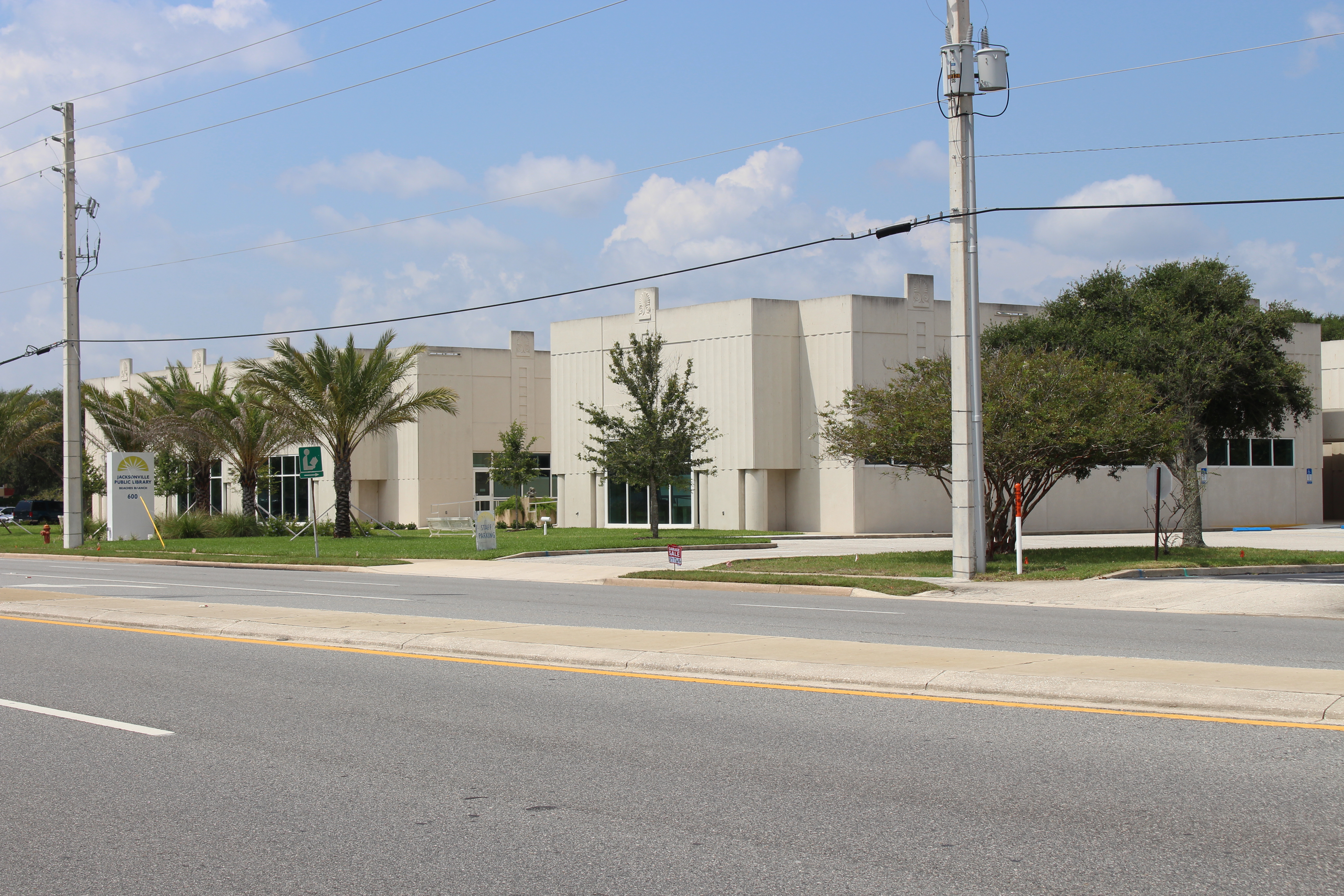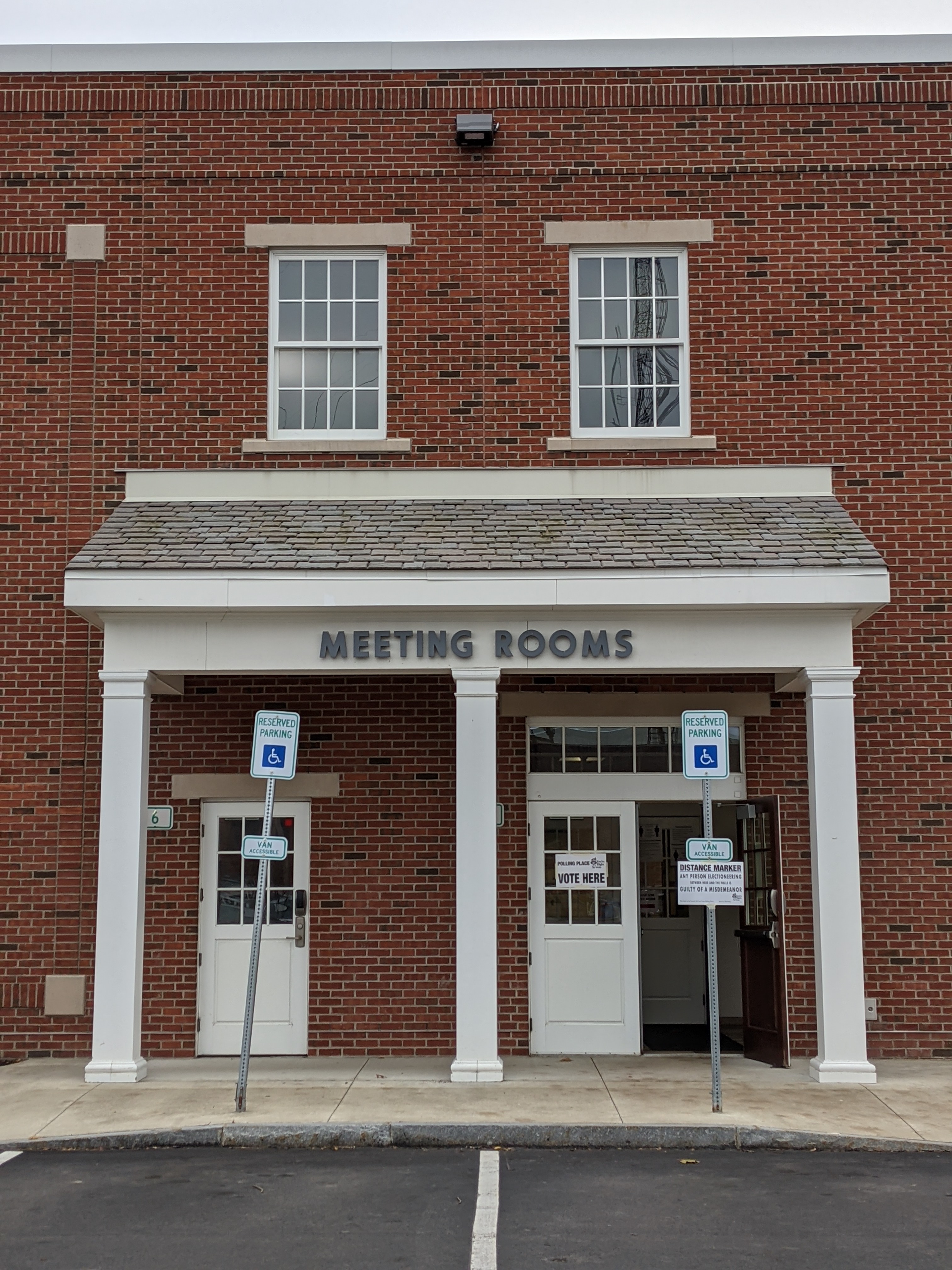
Beaches residents head to the polls Tuesday, Nov. 3, to help choose Florida's next governor, with property insurance costs that can top $7,500 a year in Atlantic Beach and Neptune Beach hanging over the race.
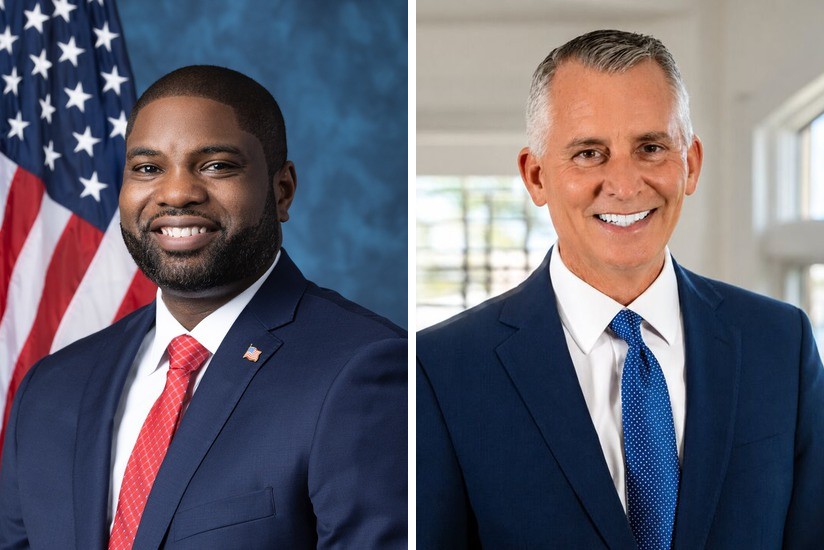
Republican Byron Donalds and Democrat David Jolly lead a field of 10 qualified tickets competing to replace Gov. Ron DeSantis, who cannot run again after two consecutive terms. Polls close at 7 p.m. Eastern. Voters in line at that time may still cast a ballot, according to the Duval County Supervisor of Elections.
Duval County voters must vote at their assigned polling place and bring a current photo ID with signature. A Florida driver's license, U.S. passport or military ID are acceptable forms.
What's at stake for the Beaches
Homeowners insurance is the race's central policy fight, and it hits close to home. The Duval County average premium was $2,786 a year as of March 2026, according to the Florida Office of Insurance Regulation. But coastal neighborhoods pay far more. Industry estimates from Momentum Realty put second-quarter 2026 quotes for typical single-family homes at $3,800 to $6,500 in Jacksonville Beach and $4,200 to $7,500 or higher in Atlantic Beach and Neptune Beach. Those figures exclude flood coverage and vary by home age, roof condition and other factors.
The winner's decisions on insurance, education and growth will shape policy for the Beaches and Northeast Florida, Folio Weekly reported Oct. 21.
The major-party tickets
Donalds-Avila (Republican): Donalds represents Southwest Florida's 19th Congressional District in the U.S. House, a seat he has held since 2021, according to candidate records. He previously served in the Florida House from 2016 to 2020. His running mate, Bryan Avila, left his Florida state Senate seat to join the ticket, according to the Independent Florida Alligator's voter guide. If elected, Donalds would be the first Black governor in Florida history, the Alligator reported. President Donald Trump has endorsed Donalds.
Jolly-Graham (Democratic): Jolly served in the U.S. House from 2014 to 2017 as a Republican representing a Pinellas County district. He left the Republican Party in September 2018, co-founded the Forward Party in 2022 and registered as a Democrat in April 2025, according to biographical records. His running mate, Gwen Graham, served in the U.S. House from 2015 to 2017 and later held a post at the U.S. Department of Education. She is the daughter of former Florida Gov. Bob Graham. Former President Barack Obama has endorsed Jolly.
A New York Times/Siena Research Institute poll conducted Oct. 19–25 showed Donalds at 48% and Jolly at 44%, the Alligator reported. The two candidates have not debated, WJCT reported Sept. 25.
Insurance: two different plans
Both candidates call homeowners insurance a top affordability issue but disagree sharply on how to fix it, according to a Sun Sentinel comparison published Oct. 20.
Donalds said he wants to preserve the 2022 and 2023 insurance reforms, increase private-market competition, expand home-hardening grants and cut rebuilding costs through permitting reform. He told the Sun Sentinel his goal is to bring costs down another 20% to 25%.
Jolly proposed creating a state-backed catastrophe fund to carry hurricane and wind risk, with private insurers handling other coverage. His campaign has claimed the plan could cut premiums 60% to 70%. That estimate has not been established through an independent actuarial analysis, according to a Lower Mortgage policy comparison published Oct. 30. The Alligator also noted that a PolitiFact investigation found insurance experts doubt the fund would save homeowners in the long run.
Both plans would require approval from the Florida Legislature, the Lower Mortgage analysis noted. For hurricane-exposed areas such as the Beaches, Jolly's plan could change how homeowners buy coverage, while Donalds' approach would rely on continued private-market reforms paired with storm-hardening grants and new insurer transparency, Folio Weekly reported.
Other priorities
Donalds lists affordability, education and law and order as his top three priorities, according to his campaign. He supports school choice, an expansion of private school vouchers and early literacy programs. He supports Amendment 3, which would increase the homestead property tax exemption. He has also proposed a public deadline system for building permits to speed approvals.
Jolly lists affordability, education and a pause on data center development as his top priorities. He has proposed a 10-year plan to increase public school investment, including raising teacher pay by 30%, according to candidate records. He has promised an immediate one-year moratorium on data centers if elected. He also plans to expand Medicaid, the Alligator reported.
Other candidates on the ballot
The Florida Division of Elections' certified list shows eight additional qualified tickets beyond Donalds and Jolly:
- Scott Jewett (Libertarian) with Nicole Skelly
- Charles Burkett (no party affiliation) with Ruben A. Coto. Burkett is a former mayor of Surfside.
- Dean Ocean Abrams (NPA) with Joe Van Vactor
- Jeffrey Peter "Dr. Jeff" Datto (NPA) with Juan Santana
- Moliere "Moe" Dimanche (NPA) with Benjiman Rojas
- Frank J. Russo (NPA) with Rachel Rodriguez
- Kathy Anderson (write-in) with Daniel Nokovich
- Erik Morris (write-in) with LeRoy Alaways
Jewett said fixing homeowners insurance would be his top priority, according to his campaign announcement in The Floridian.
Statewide turnout
More than 5.4 million Floridians had already voted early or by mail as of 8 a.m. Nov. 3, according to the Tallahassee Democrat. That is about 40% of the state's 13.7 million registered voters.
Results will be posted on the Florida Department of State's election results page. DeSantis leaves office Jan. 5, 2027.