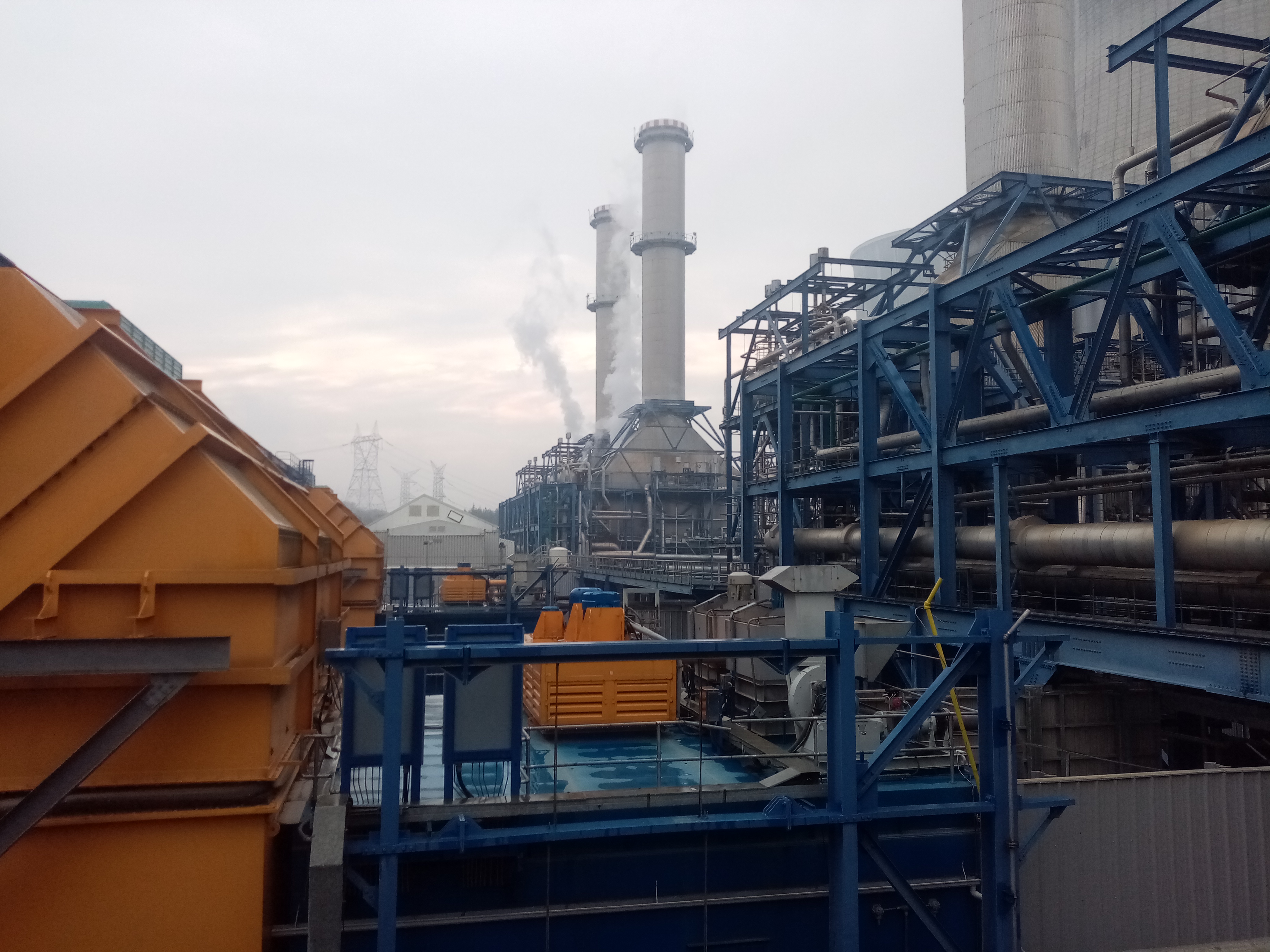
The Florida Public Service Commission unanimously approved JEA's request for a determination of need for a $1.57 billion natural gas power plant on Jacksonville's Northside, clearing a key regulatory hurdle—but not completing all siting and certification approvals—for a facility with capacity of up to 675 megawatts. The utility says it will cut fuel costs and emissions when it begins generating electricity in 2031.
The Tuesday, Aug. 18 vote directly affects Atlantic Beach residents, who get their electricity from JEA. Neptune Beach and Jacksonville Beach customers are served by Beaches Energy Services, which buys wholesale power through the Florida Municipal Power Agency rather than directly from JEA generation.
JEA plans to build the plant on the former St. Johns River Power Park site off New Berlin Road, north of Heckscher Drive. It will largely replace the Northside Generating Station Unit 3, which dates to 1977, according to the Florida Times-Union.
The new facility will use a combined-cycle setup with both steam and gas turbines, burning 37% less natural gas per megawatt-hour than the unit it replaces, according to information JEA presented to the commission. JEA says that efficiency gain will lower fuel costs and reduce carbon dioxide emissions per megawatt.
No member of the public spoke in opposition.
The PSC hearing lasted about seven minutes. JEA interim CEO Jody Brooks called the approval a step toward providing reliable, lower-cost power to Jacksonville residents.
$6 billion over 30 years
While the construction price tag is $1.57 billion, the total cost to JEA ratepayers over 30 years is projected at roughly $6 billion once debt service, operating costs and natural gas fuel are included, according to projections reported by Hoodline. JEA plans to pay off the project over three decades and end the term with a debt-free facility. The cited reports do not quantify what the investment means per customer on monthly bills.
JEA's board voted on Aug. 26, 2025, to move forward with the plant and paid a nonrefundable deposit to GE Vernova to secure a production slot for the high-demand turbines. Jacksonville City Council members on a special investigatory committee questioned that deposit before PSC approval. JEA officials told the committee they had been in pre-hearing talks with the state agency and were confident of approval.
Environmental groups opposed
The Sierra Club publicly opposed the project, warning that committing $1.57 billion to natural gas locks Jacksonville into 30 years of higher utility bills and greenhouse gas pollution instead of expanding solar and battery storage.
Susan Glickman, vice president of policy and partnerships at The CLEO Institute, said in a July 30 Florida Politics report that projected costs had increased 139% since 2023 and that an independent analysis found the project could cost customers an additional $2.5 billion over its lifetime, plus roughly $1 billion in health impacts from pollution.
JEA said it has reduced carbon emissions by 53% since 2007, including through the closure of the St. Johns River Power Park coal-fired plant and the decommissioning of Plant Scherer Unit 4 in Georgia.
JEA's next Board of Directors meeting is scheduled for Tuesday, Aug. 25.
.jpg)