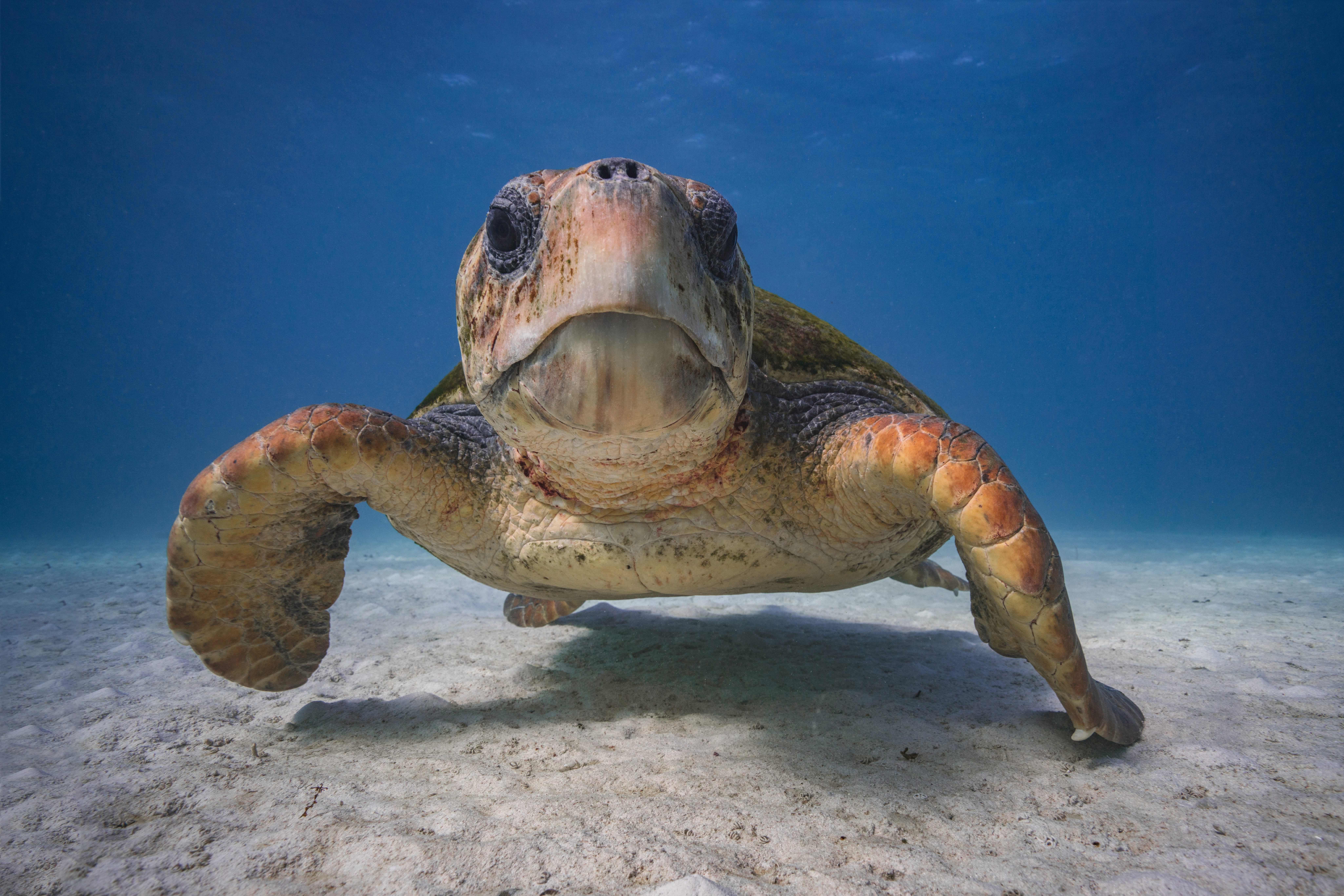
Every morning before sunrise, volunteers with the Beaches Sea Turtle Patrol fan out across 7.5 miles of shoreline from the Atlantic Beach/Hanna Park line to the Duval/St. Johns County line, scanning the sand for signs that a sea turtle came ashore overnight.
The 2026 nesting season, which runs through Oct. 31, is well underway. BSTP is the only Florida Fish and Wildlife Conservation Commission-permitted turtle patrol operating in Atlantic Beach, Neptune Beach and Jacksonville Beach, and it does the work entirely with volunteers and private donations.
"We don't want to police the beach. We just want to patrol the beach," 13-year volunteer Mary Mills said in a June 21 feature in First Coast Lineup. "We don't want to keep people from enjoying the beauty of it all. We just want them to respect the beauty of it all."
By the numbers
BSTP's 2026 annual letter shows the patrol recorded 76 loggerhead nests, one leatherback nest and zero green turtle nests in 2025, matching its 10-year average. Of 64 nests evaluated, 5,818 eggs hatched successfully, a 73% hatch rate. Ten nests were lost to tidal events, and 18 disorientation events were documented, most involving hatchlings drawn inland by artificial light.
The 2025 season was also the first full nesting year after the 2024 Duval County Shore Protection Project. BSTP called the 64% beach success rate — meaning nearly two-thirds of crawls resulted in a confirmed nest — a sign that the new sand is "turtle-approved."
Only one in 1,000 hatchlings survives to adulthood.
What residents can do now
Beaches Energy Services reminded customers on Aug. 19 on X to follow BSTP's #CleanDarkFlat guidelines:
- Clean — Remove all personal items and trash from the beach before leaving.
- Dark — Turn off or shield lights visible from the sand. That includes porch lights, phone flashlights and bonfires. Hatchlings navigate by the natural glow of moonlight and starlight on the water; artificial light pulls them inland.
- Flat — Fill in holes and knock down sandcastles. In 2015, patrol members found a nesting mother flipped upside down in a deep man-made crater, trapped for hours after laying her eggs.
Beaches Energy also announced in May 2026 that it is upgrading street lights to true amber LED fixtures to reduce disruption during nesting season. The utility already turns off street lights at beach access points where nests are present.
All three beach communities have local lighting ordinances protecting nesting turtles.
If you see a turtle
BSTP asks beachgoers who spot a nesting turtle to stay at least 25 yards behind her, turn off all lights and text the patrol's 24-hour hotline at 904-613-6081. Do not pick up hatchlings and carry them to the water. The crawl helps them imprint on the beach, stretch their flippers and prepare for the swim.
For strandings outside the Beaches area, the FWC Wildlife Alert line is 1-888-404-3922.
Getting involved
All volunteer positions for 2026 are filled. Interested residents can check BSTP's social media early in 2027 for openings. Volunteers walk up to 3.5 miles in the sand at first light, once a week, rain or shine, for the entire May-through-October season.
Memberships supporting the patrol start at $25 and are tax-deductible. BSTP president Jen Burns leads the organization, which has tracked nesting data for 38 years and recorded 1,764 total nests across that span.
Coming up
BSTP's International Coastal Cleanup Day is scheduled for Saturday, Sept. 19, from 7 to 9 a.m. Nesting season officially ends Saturday, Oct. 31.

.jpg)