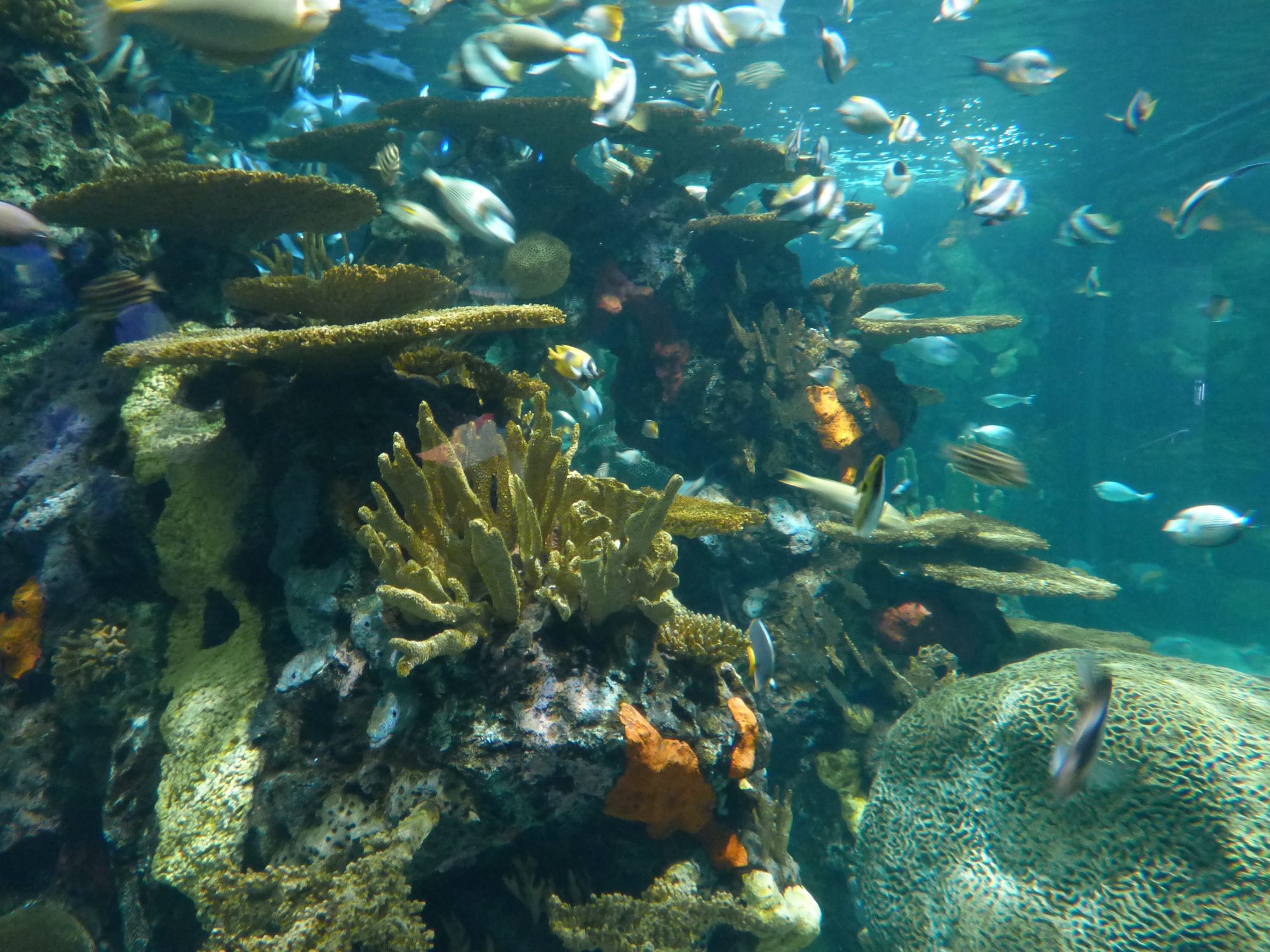
Nearly 200 pieces of concrete now sit 90 feet below the Atlantic at a site called Harm's Ledge, about 25 miles off the Mayport jetties, forming Jacksonville's first major artificial reef in years.
The Jacksonville Offshore Sport Fishing Club and the nonprofit Think It, Sink It, Reef It (TISIRI) loaded culverts, pipes and other donated concrete onto a barge and dropped them on Thursday, June 25. The deployment marks the start of what organizers call a long-term reef-building program for Northeast Florida.
"Without the reefs, there would be no offshore fishing," Capt. Rick Ryals, a club member with decades of artificial-reef experience, told the Beach Gazette.
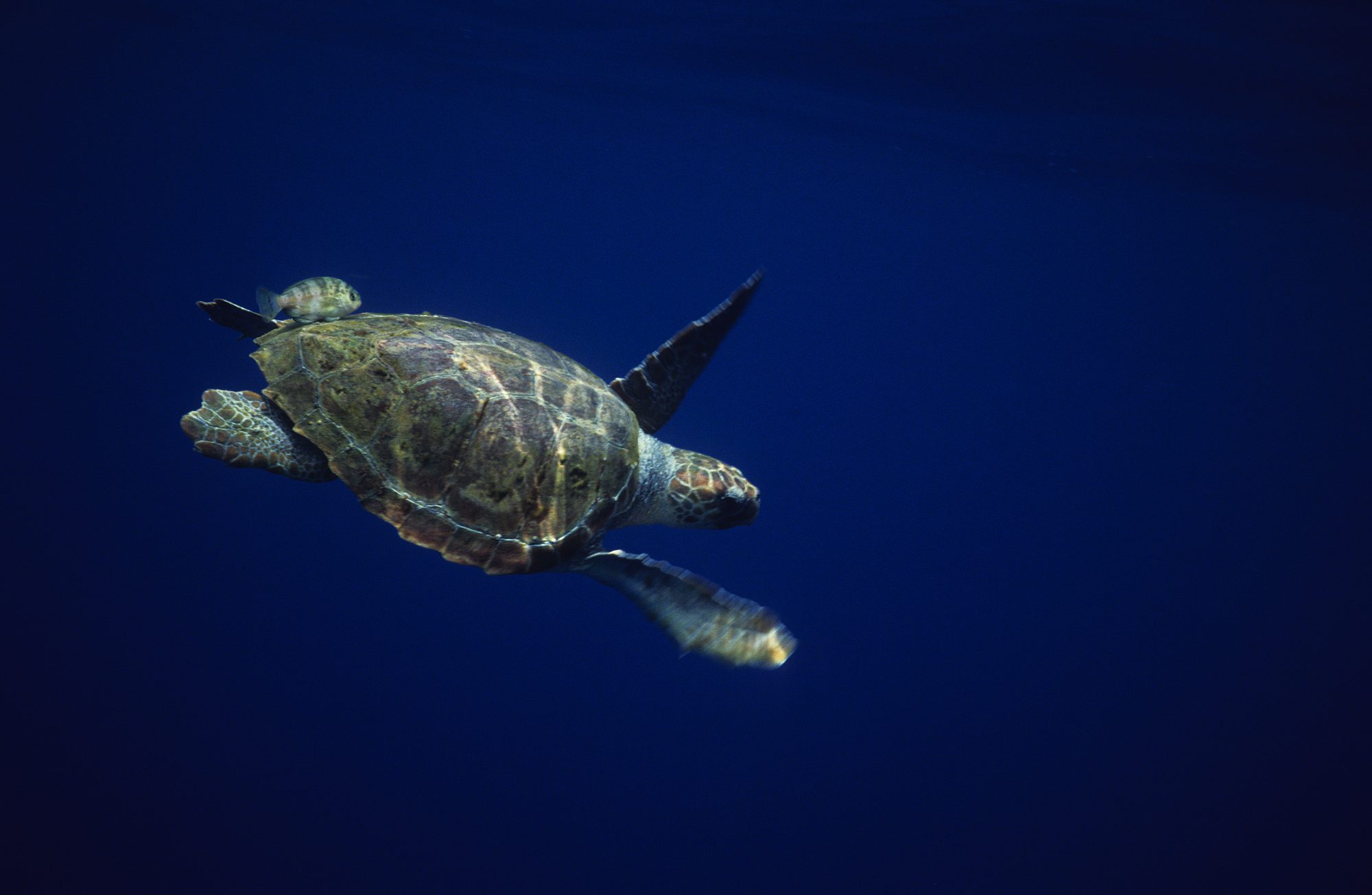
Ryals said concrete is particularly attractive to grouper. Snapper, amberjack, barracuda and cobia are also expected to move in. He said anglers may see activity around the structures within a couple of months, though the reef could take a year or more to become well established.
The project took shape in early 2025, when the fishing club and TISIRI developed a concept using donated materials and submitted a grant application. Funding came through a partnership involving the Florida Fish and Wildlife Conservation Commission (FWC) and the U.S. Fish and Wildlife Service. The Jacksonville Waterways Commission also participated.
Rinker Materials and Phillips Heavy Civil Construction Co. donated the concrete. Mobro Marine provided marine construction services. Veteran reef project manager Joe Kistel, of TISIRI, coordinated the deployment.
The reef sits at GPS coordinates 30° 22.109′ N, 80° 54.028′ W. Harm's Ledge is named for Gus Harms, an early member of the fishing club.
Paul Malone, the club's reef development director, said in a news release cited by Jacksonville Today on Aug. 17 that the project grew from a 2025 grant application into a broader commitment to improving offshore waters. He called the installation "only the beginning" of a long-term program.
Jacksonville Waterways Commissioner Marc Hardesty said in a statement reported by the Beach Gazette that the reef's benefits will be felt for decades by anglers, divers, marine businesses and future generations. No date has been announced for a next deployment.
The fishing club has backed more than 300 reef placements since the late 1950s or early 1960s, according to Ryals. Jacksonville is home to more than 100 artificial reefs off its Atlantic coast, according to Visit Jacksonville.
Grouper arrive first. The GPS coordinates are public, and the site is accessible to properly equipped offshore boats.